
Heat Stroke The Silent Summer Threat You Cannot Afford to Ignore
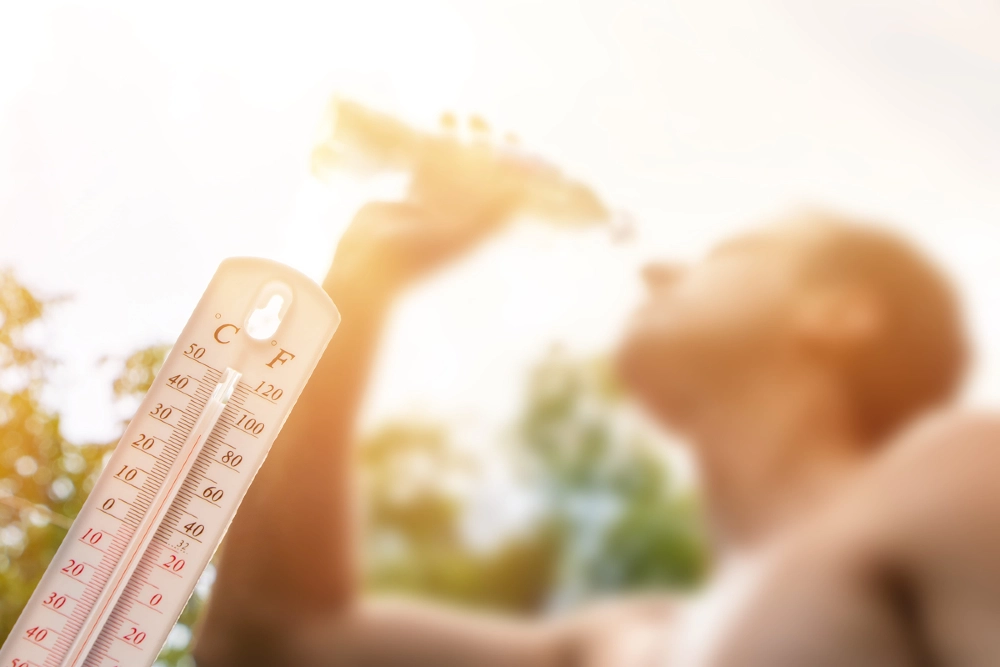
No temperature is too dangerous if you know what to look for.
When the Heat Becomes a Medical Emergency
Thailand’s summers are extreme and every year, heat stroke claims lives that could have been saved. Heat stroke occurs when the body’s core temperature exceeds 40°C and the internal cooling system can no longer keep up. Unlike general overheating, heat stroke is a true medical emergency. Without prompt intervention, it can cause organ failure, brain damage, or death.
The most important thing to know: heat stroke is preventable if you recognize it in time.
Who Is at Risk?
Heat stroke doesn’t discriminate. Anyone exposed to high heat conditions can be affected, but certain groups face a higher risk:
• People who spend extended time outdoors, especially between 11AM and 3PM
• Athletes or outdoor workers who exert themselves in hot, humid conditions
• Those who are not drinking enough water and become dehydrated
• People wearing heavy or non-breathable clothing in the heat
• High-risk groups: young children, the elderly, those with chronic conditions (heart disease, hypertension, diabetes), and people who consume alcohol
Warning Signs Don’t Ignore Them
The body always sends signals before a crisis. Here’s what to watch for:
Early Warning Signs (Heat Exhaustion) Stop and Rest Immediately:
• Feeling hot, fatigued, or unusually breathless
• Heavy sweating, pale and clammy skin
• Headache, dizziness, or lightheadedness
• Nausea, vomiting, or intense thirst
Emergency Symptoms Call 1669 Immediately:
• Skin that is red, hot, and dry (no sweating)
• Body temperature above 40°C
• Rapid, strong pulse
• Confusion, slurred speech, or loss of consciousness
• Seizures or rapid, shallow breathing
If You Find Someone with Heat Stroke Act Now
Every second counts. Follow these steps in order:
1. Call emergency services (1669) immediately
2. Move the person to shade or an air-conditioned space without delay
3. Remove or loosen tight clothing
4. Apply cool water to the skin focus on the neck, armpits, and groin
5. Apply ice packs to the neck, armpits, and groin
6. Fan the person to help dissipate heat
7. If conscious and able to swallow, give small sips of cool water
8. Do NOT give fever-reducing medication it will not help in this case
Prevention Is Simple If You’re Prepared
✦ Drink at least 8-10 glasses of water daily don’t wait until you feel thirsty
✦ Avoid outdoor activity between 11AM and 3PM when sunlight is most intense
✦ Wear light-colored, breathable clothing and a hat when going outside
✦ Apply sunscreen with SPF 30 or higher
✦ Avoid alcohol and caffeinated beverages in hot weather
✦ Never leave children or pets in a parked car under the sun
Special Attention for High-Risk Groups
Young children: Their thermoregulation systems are not yet fully developed, making them significantly more vulnerable.
The elderly: The body’s ability to shed heat declines with age, reducing the margin of safety.
Athletes and outdoor workers: Double exposure physical exertion plus environmental heat dramatically increases risk.
People with underlying conditions: Heart disease, hypertension, and diabetes all elevate heat stroke risk considerably.
Know It Before It’s Too Late
Heat stroke is not a matter of luck. It’s a matter of awareness and preparation. Protect yourself. Protect the people around you. And never underestimate what the sun can do.
If you notice unusual symptoms in yourself or someone nearby, don’t wait call 1669 immediately.
POST CATEGORY :
get in touch
Prevention Is the Best Wellness Investment.
Take a proactive step toward better health with expert-led insights and personalized care plans designed to support your long-term vitality, resilience, and longevity.
Phone
02-252-8889
Line
@wellnessmeclinic
063-851-6678
[email protected]